Smartphone history: When were smartphones invented and how have they changed?
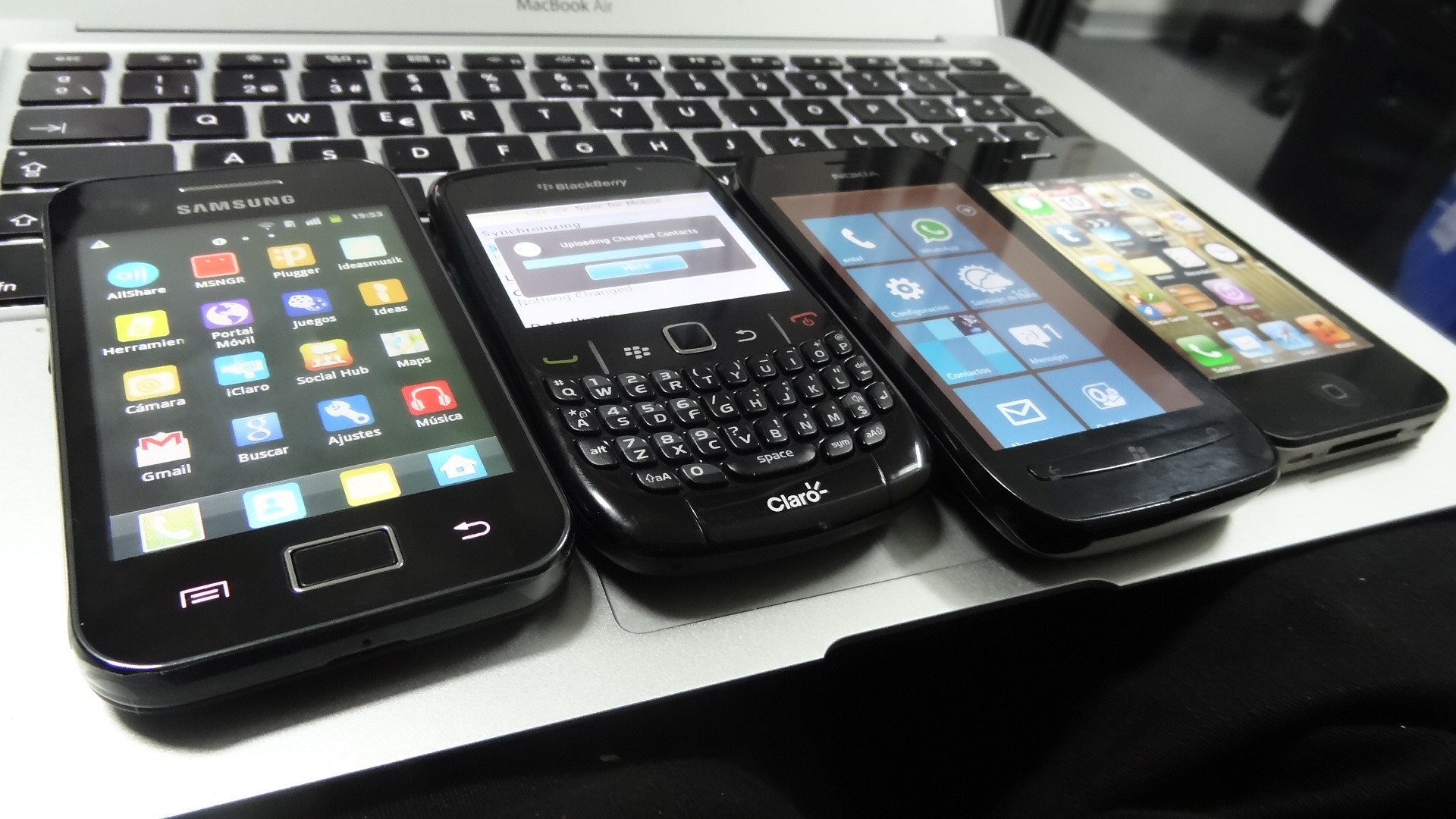
Smartphones are so deeply embedded in everyday life that it’s hard to remember a time before them. From checking email and navigating traffic to shopping, streaming, and communicating instantly, smartphones have reshaped how people live, work, and connect.
But smartphones didn’t appear overnight.
The smartphone history spans decades of experimentation, innovation, and cultural change. What began as bulky, business-focused devices evolved into powerful pocket-sized computers that influence nearly every part of modern society.
In the following, we’ll explore when smartphones were invented, how they evolved over time, and why they became one of the most transformative technologies in history.
What defines a smartphone?
Before diving into the timeline, it’s helpful to define what actually makes a phone “smart.”
While early mobile phones focused primarily on voice calls, smartphones combine multiple capabilities into a single device, including:
- Cellular calling and texting
- Internet connectivity
- A mobile operating system
- App-based functionality
- Email and messaging
- Touchscreen or advanced input methods
In short, a smartphone is more than a phone. It’s a connected, multifunctional computing device designed for constant access to information and communication.
When were smartphones invented?
The origins of smartphones go back further than many people expect.
IBM Simon: The first smartphone (1994)
The device most often credited as the first smartphone is IBM Simon, released commercially in 1994.

IBM Simon introduced features that were groundbreaking at the time:
- A touchscreen interface
- Email and fax capabilities
- Calendar, contacts, and notes
- Basic built-in applications
Although it was large, expensive, and limited by today’s standards, IBM Simon demonstrated that a phone could function as more than a calling device. It laid the foundation for the modern smartphone concept and marked a pivotal moment in smartphone history.
Early smartphone evolution: Late 1990s to early 2000s
After IBM Simon, smartphones evolved slowly and primarily served business users.
The role of PDAs
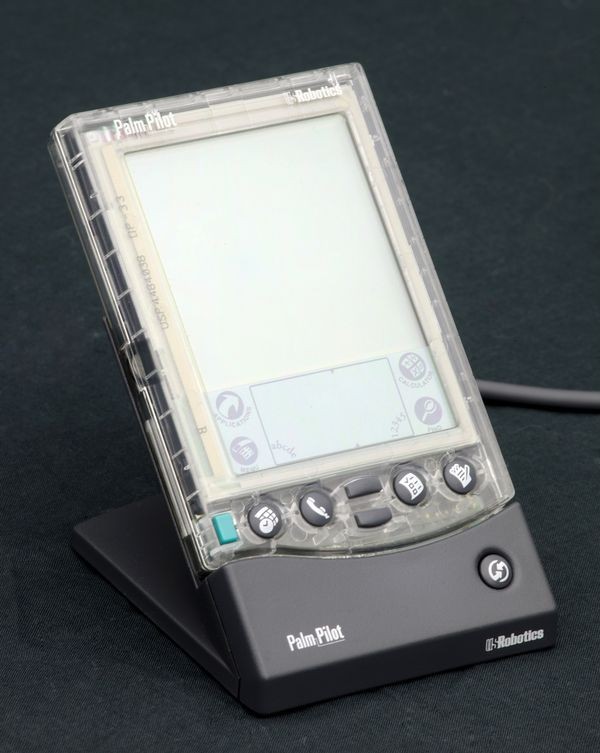
Personal Digital Assistants (PDAs) like the PalmPilot and Handspring focused on productivity features, such as calendars, contacts, and note-taking. While they didn’t include phone functionality, PDAs heavily influenced smartphone design by emphasizing portability and personal organization.
BlackBerry and business communication
In the early 2000s, BlackBerry emerged as a dominant force in mobile communication. Known for its physical keyboard and secure messaging, BlackBerry popularized mobile email and became essential for professionals and enterprises.
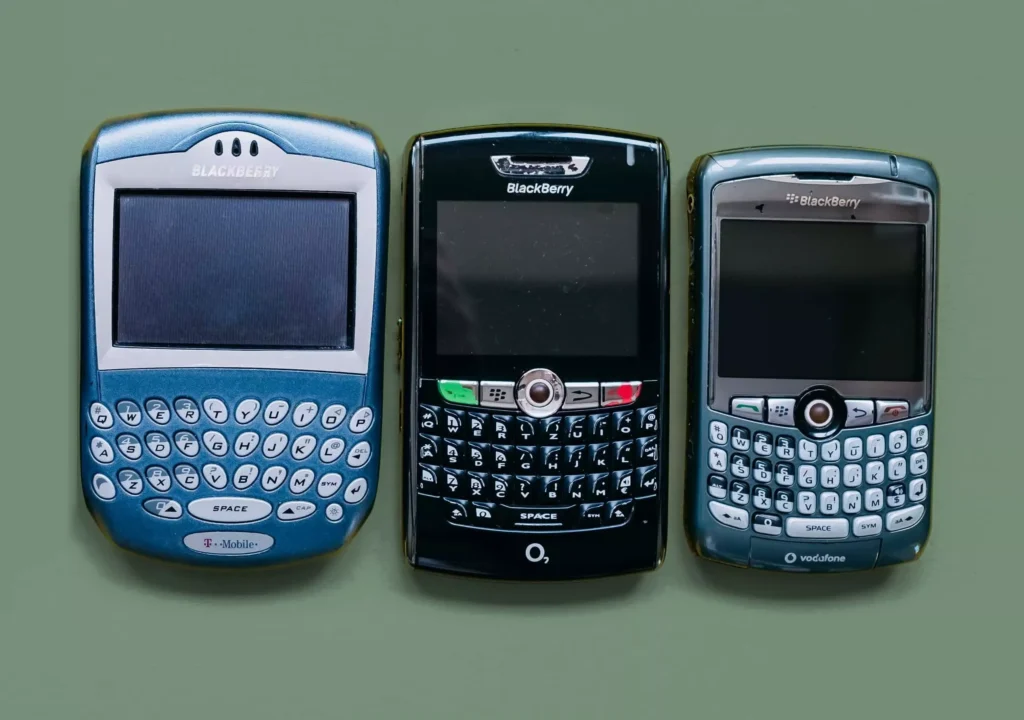
Key BlackBerry innovations included:
- Push email
- Secure messaging
- Integrated communication tools
For years, smartphones were viewed primarily as business tools rather than consumer devices.
The smartphone turning point: The iPhone era
Apple iPhone (2007)
A major turning point in smartphone history occurred in 2007 with the release of the Apple iPhone.

The iPhone redefined how people interacted with mobile devices by introducing:
- A fully touchscreen interface
- Intuitive gestures like swipe and pinch
- A desktop-like web browsing experience
- A strong emphasis on design and usability
In 2008, Apple launched the App Store, allowing third-party developers to create mobile applications. This shift transformed smartphones into customizable platforms and sparked the modern app economy.
Smartphones were no longer niche business tools. They became mainstream consumer devices.
Android and global smartphone adoption
The rise of Android smartphones
Google’s Android operating system entered the market shortly after the iPhone and rapidly expanded smartphone access worldwide.
Android’s impact on smartphone history includes:
- Open-source flexibility for manufacturers
- A wide range of device options and price points
- Faster global adoption
Manufacturers like Samsung, HTC, Motorola, and later Google itself helped Android become the most widely used smartphone operating system in the world.
How smartphones changed communication
One of the most profound effects of smartphones is how they transformed communication.
From calls to constant connection
Smartphones shifted communication patterns from:
- Voice calls to messaging apps
- Scheduled conversations to real-time availability
- One-to-one communication to group chats and social platforms
Email, SMS, video calls, and social media all converged into a single device, fundamentally changing how people interact personally and professionally.
Smartphones and the rise of the mobile internet
Smartphones didn’t just make the internet portable. They reshaped it entirely.
Mobile-first experiences
As smartphone usage increased, websites and digital services adapted to mobile behavior, leading to:
- Responsive web design
- Mobile apps replacing desktop software
- Location-based services and personalization
Today, much of the internet is designed primarily for smartphone users, reflecting the device’s central role in digital life.
The impact of smartphones on business and marketing
Smartphones dramatically changed how organizations communicate with customers.
Always-on access
Because smartphones are always within reach, businesses gained new ways to connect instantly through:
This shift raised expectations for timely, relevant communication.
Personalization and data
Smartphones also enabled data-driven insights, such as:
- Engagement behavior
- Location-based activity
- Usage patterns
These insights helped businesses tailor messaging and experiences more precisely, influencing modern marketing strategies.
Smartphone hardware evolution
Over time, smartphone hardware advanced rapidly.
Major developments include:
- Faster processors and increased storage
- High-resolution cameras replacing traditional cameras
- Biometric security such as fingerprint and facial recognition
- Longer battery life and fast charging
- Edge-to-edge, high-definition displays
Each advancement expanded what smartphones could do, making them essential tools for work, entertainment, and communication.
Smartphones and social change
Beyond technology, smartphones reshaped culture and daily life.
Everyday behavior transformed
Smartphones changed how people:
- Navigate cities
- Consume news and entertainment
- Shop and manage finances
- Capture and share memories
- Learn and work remotely
Entire industries (from transportation to media) were reshaped by mobile-first behavior.
Challenges and concerns
As smartphones became ubiquitous, new challenges emerged, including:
- Screen time and digital well-being concerns
- Privacy and data security issues
- Information overload
These challenges continue to influence how smartphones evolve today.
The modern smartphone era
Today’s smartphones are powerful, AI-enabled devices that rival traditional computers.
Modern capabilities include:
- Advanced photography and video
- AI-powered assistants and automation
- Mobile payments and digital wallets
- Health and fitness tracking
Smartphones have become the central hub for both personal and professional life.
What’s next in smartphone history?
The future of smartphones continues to evolve.
Emerging trends include:
- Foldable and flexible displays
- Deeper AI integration
- Augmented and virtual reality experiences
- Greater emphasis on privacy and sustainability
While form factors may change, smartphones are likely to remain a primary gateway to digital communication.
Where DailyStory fits in a smartphone-driven world
DailyStory helps organizations communicate effectively in a world shaped by smartphones.
By supporting both email and SMS text messaging, DailyStory enables teams to reach people where they already are (on their phones) while keeping communication thoughtful, coordinated, and compliant.
With DailyStory, organizations can:
- Use email for detailed, long-form communication
- Use SMS for timely, high-visibility messages
- Automate outreach without losing the human touch
- Coordinate messaging across channels from one platform
As smartphone usage continues to influence how people interact with brands, tools like DailyStory help organizations adapt without adding complexity.
Conclusion
The history of smartphones is a story of innovation, convergence, and cultural transformation. From the early days of IBM Simon to today’s AI-powered devices, smartphones have continually reshaped how people communicate, work, and connect.
What began as a specialized business tool has become one of the most influential technologies ever created, and its evolution is far from over.