Pickleball branding: How to build a strong identity for your organization
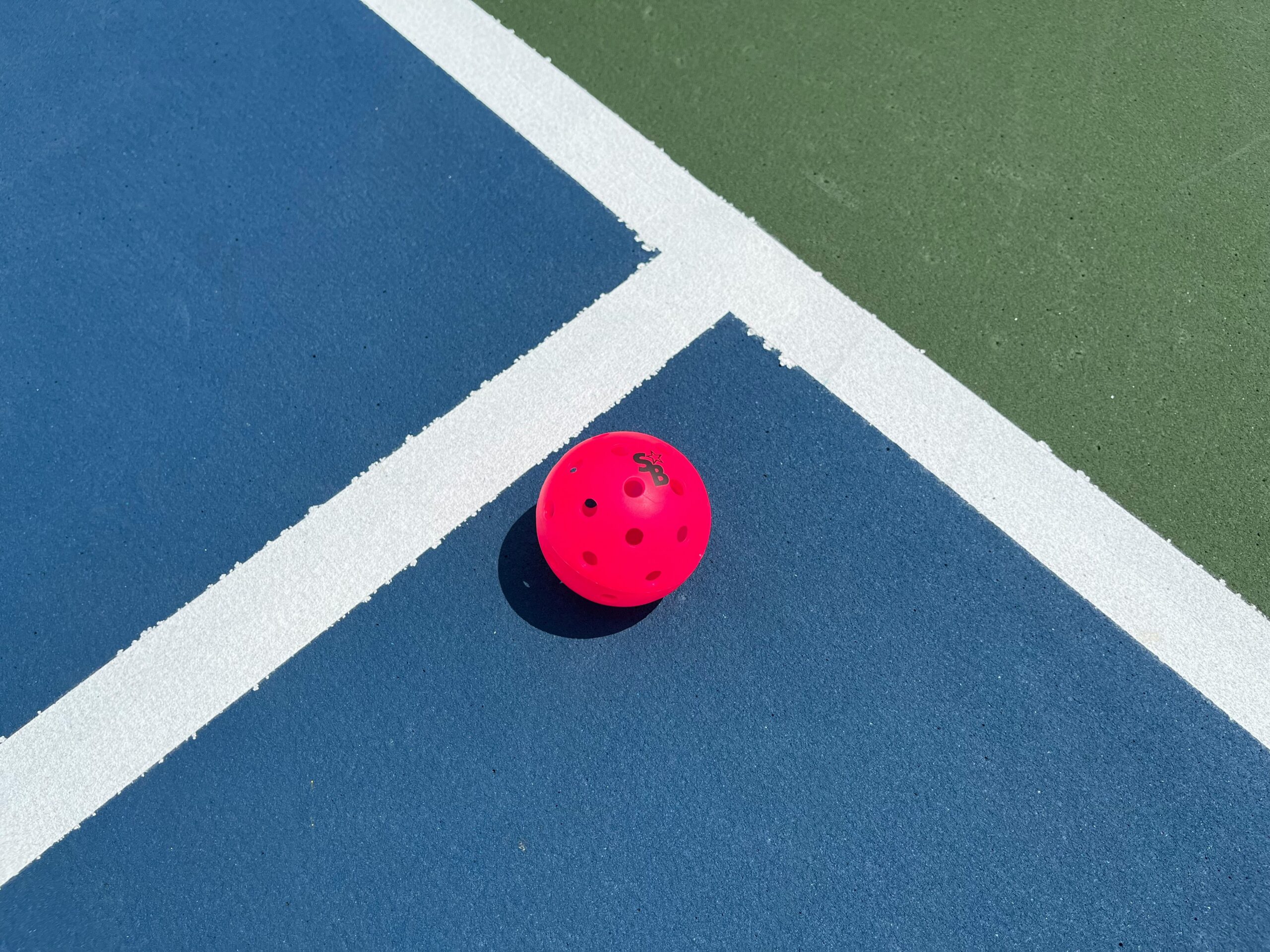
Pickleball is no longer just a recreational pastime. According to the Sports & Fitness Industry Association (SFIA), 19.8 million Americans played pickleball in 2024 — a 45.8% increase from the prior year and a staggering 311% growth over three years. By mid-2025, that number had climbed to an estimated 22.7 million. New clubs, leagues, tournaments, and facilities are popping up everywhere, and the global pickleball market is projected to grow from $1.5 billion in 2023 to $4.4 billion by 2033.
That growth is exciting — but it also means one thing: competition for attention is increasing fast. More courts, more clubs, and more options mean players are becoming more selective about where they play and who they play with.
If you want players to choose your organization, register for your events, and stay loyal season after season, you need more than courts and schedules. You need strong pickleball branding.
Your brand is not just your logo. It's how people recognize you, remember you, talk about you, and feel about being part of your community. A sports organization's brand identity should reflect its values, history, members, and supporters — shaping the public image of everything the organization stands for. A clear, consistent brand identity helps you stand out, build trust, and create a sense of belonging that keeps players coming back.
Here's how to build a powerful brand identity for your pickleball organization, from visuals and messaging to voice and consistency.
Why pickleball branding matters more than ever
In many areas, players now have options:
- Multiple local clubs
- Parks and rec programs
- Private facilities
- Traveling leagues and tournaments
When everything starts to look the same — similar courts, similar pricing, similar programs — your brand becomes the deciding factor.
Strong pickleball branding helps you:
- Attract the right players — families, competitive athletes, beginners, seniors, or whichever demographics you serve
- Create loyalty beyond just location or price
- Look professional and trustworthy to both players and potential sponsors
- Stand out online where first impressions happen
- Build community identity that players feel proud to be part of
In short, branding turns your organization from "a place to play" into a place people want to belong. And belonging drives retention, word-of-mouth, and long-term growth — the things that sustain an organization season after season.
Research from the University of Kansas found that people who strongly identify with a sports organization gain self-esteem and a sense of purpose through that association — not just through the sport itself, but through the community it creates. That emotional connection is the foundation of effective sports branding.
Step 1: Define your brand foundation
Before colors, logos, or social posts, you need clarity on who you are. This is your brand foundation — the strategic core that everything else is built on. Skipping this step is the most common branding mistake organizations make.
Ask these foundational questions:
Who is your primary audience?
Are you focused on:
- Competitive players?
- Beginners and social players?
- Families?
- Active adults and seniors?
- Youth development?
Your pickleball branding should reflect the people you most want to attract. Notably, today's pickleball player skews younger than most people expect — the average player age is around 35, with over 70% of players between 18 and 44. If your branding still evokes a retiree rec sport, you may be speaking to the wrong audience.
What makes you different?
This is your positioning — your reason for existing in a market that has more options every year. Maybe you offer:
- A highly social, community-driven environment
- Elite coaching and competitive leagues
- Beginner-friendly instruction with structured progression
- A family-first atmosphere where all skill levels play together
- Premium facilities and amenities that justify higher membership fees
Your brand identity should amplify this difference at every touchpoint. If you can't articulate what makes you different in one sentence, your players won't be able to either — and word-of-mouth referrals suffer as a result.
What do you want to be known for?
Think in adjectives. For example:
- Welcoming
- Competitive
- Fun
- Professional
- Community-focused
- High-energy
These words will guide your visuals, messaging, and voice. Write them down and share them with anyone involved in creating content for your organization.
Write a mission statement
Your mission statement is a one or two sentence declaration of your organization's purpose. Effective sports organizations define 3-4 non-negotiable core values and build a mission that extends beyond just winning or playing. For example:
- "To grow pickleball in our community by making the sport accessible, competitive, and fun for every skill level."
- "To be the premier pickleball destination for serious players who want great competition and great community."
- "To use pickleball as a vehicle for building friendships, fitness, and belonging for adults 50+."
A clear mission statement gives your organization an identity beyond the sport itself — something players and staff can rally around.
Step 2: Build your visual identity
Your visual identity is the most recognizable part of your pickleball branding. It's what players see before they read a word — and it creates instant familiarity. A well-crafted visual identity gives your brand personality, style, and emotional resonance that sets you apart.
Logo
Your logo is the cornerstone of your visual brand. It will appear on everything — email headers, court signage, jerseys, social profiles, and merchandise. It should be:
- Simple and clean — complex logos lose detail at small sizes
- Readable at a glance, even at thumbnail scale
- Versatile — usable in full color, single color, and reversed (white on dark)
- Distinctive — something that stands out in a crowded social feed
- Timeless rather than trendy — you don't want to rebrand every three years
Avoid overly complex designs that don't scale well. Clean and bold wins. If you're starting from scratch, tools like Canva can help you create an initial logo — but investing in a professional designer pays dividends in consistency and polish.
Color palette
Choose two to four main brand colors and stick to them rigorously. Colors influence perception:
- Bright, bold colors (yellow, orange, red) signal energy and fun.
- Blues and greens signal trust, community, calm, and health.
- Black and high contrast signal competitive, serious, and premium.
- Purple and teal signal creativity, inclusivity, and a modern feel.
Document your exact color codes (hex for digital, CMYK/Pantone for print) and use the same colors consistently across:
- Website
- Social media graphics
- Email headers
- Event flyers
- Court signage
Consistency is what turns colors into brand recognition. The moment someone sees your brand colors on a social post and immediately knows it's you — that's the goal.
Fonts
Pick one to two fonts and commit to them:
- A bold, clear font for headlines and display text
- A simple, readable font for body text in emails and websites
Use them everywhere. Random fonts weaken your brand by making every communication look like it came from a different organization.
You may also want to consider a third "accent" font as a flourish for graphic design elements — just keep it contained to decorative use only.
Imagery style
Decide on a consistent visual language for how your organization looks in photos and graphics:
- Action shots vs. social moments
- Competitive play vs. smiling group shots
- Bright and energetic vs. clean and polished
- Candid and documentary vs. posed and professional
Your imagery should reflect your identity. A community-focused club should show people connecting, laughing, and celebrating — not just intense match play. A competitive training program should feature athletes in motion, improving, and striving. The visuals you consistently put out shape how players perceive what kind of community you are.
Step 3: Develop your brand messaging
Visuals grab attention. Messaging builds connection. The words you use — in emails, on your website, in social posts — shape how players feel about your organization before they ever set foot on a court.
Your core message
What do you really offer beyond court time? Think about the transformation or experience you provide, not just the product.
Examples:
- "Where community meets competition"
- "Your home for fun, friendly pickleball"
- "Serious play. Strong community."
- "The best pickleball in [your city] — for every skill level."
This message should show up consistently in:
- Website headlines
- Social bios and profile descriptions
- Email introductions and welcome sequences
- Event descriptions and registration pages
Benefits over features
One of the most common messaging mistakes is leading with logistics instead of experience. Instead of just saying:
- "6 courts"
- "Weekly leagues"
- "Open play Tuesday and Thursday"
Translate into benefits:
- "More play time, less waiting"
- "Consistent matches that fit your skill level"
- "A built-in community of players like you"
- "Multiple nights to play that fit your schedule"
Good pickleball branding focuses on experience, not just logistics. Players don't want to join a facility — they want to join a community.
Develop a tagline
A strong tagline is optional but powerful. It's a short, memorable phrase that captures your positioning. It should be easy to say, hard to forget, and meaningful to your target audience. Think of it as the verbal equivalent of your logo — a single expression of what you stand for.
A good tagline doesn't need to include the word "pickleball." "Play more. Connect more." or "Beyond the court." can be as effective as something sport-specific — because the best brands sell the lifestyle, not just the activity.
Step 4: Define your brand voice
Your brand voice is how you sound — and it's just as important as how you look. Voice creates familiarity, and familiarity builds trust over time.
Are you:
- Friendly and casual?
- Professional and structured?
- High-energy and playful?
- Supportive and beginner-friendly?
- Motivational and performance-driven?
Your voice should match your audience and positioning — and it should feel natural to the people writing your content, not forced.
For example:
- A social community league might use upbeat, conversational language — emojis, first-name greetings, casual CTAs like "Come play with us this Saturday!"
- A competitive training club might sound more focused and performance-driven — clean copy, results-oriented language, and a tone that respects the player's time and skill.
A simple way to document your voice is to create a short "do this, not that" guide for anyone writing on behalf of your organization:
- Say "Join us for open play" — not "Participants are invited to attend an open play session"
- Say "We'd love to see you on the court" — not "Please register at the link below"
- Say "Got questions? Just reply to this email" — not "For inquiries, contact our administrative team"
Whatever voice you choose, use it consistently across every channel:
- Emails
- Social posts
- Website copy
- Text messages
- Event announcements
- Replies to comments and messages
Consistency builds familiarity, and familiarity builds trust. When every message sounds like it came from the same organization — warm, clear, and on-brand — players feel more confident in you.
Step 5: Make branding visible everywhere
Branding only works when people see it repeatedly. Brand recognition is built through consistent exposure across every touchpoint — not just your website or social media.
Your pickleball branding should show up in:
- Website design and landing pages
- Registration pages and player onboarding flows
- Email campaigns and automated follow-ups
- SMS reminders and event notifications
- Social media graphics, stories, and cover images
- Event signage and banners at your facility
- Staff shirts, uniforms, and merchandise
- Printed materials like flyers, schedules, and welcome packets
Every touchpoint should feel like it comes from the same organization. Consistent communication — from press releases to social posts to in-person signage — is the key to building trust and recognition over time. If your website feels formal, your emails feel casual, and your social graphics look unrelated, your brand weakens.
Think of every communication as an opportunity to reinforce your brand. Even a text message reminding players about this week's league night can carry your voice, your name, and your personality — or it can be generic. The generic version works once. The branded version builds loyalty.
Step 6: Use branding to strengthen community
The best pickleball brands don't just look good. They create belonging — and belonging is what turns a first-time player into a lifelong member.
Community-building branding tactics include:
- Naming leagues creatively ("The Spring Smash Series," "Tuesday Night Thunder")
- Featuring player spotlights in emails and social posts to make members feel seen
- Sharing community stories — milestone matches, personal breakthroughs, long-time members
- Celebrating milestones and tournaments with recap content and photos
- Using branded hashtags to aggregate player content and build an online community
- Creating branded merchandise players actually want to wear outside the facility
When players feel emotionally connected to your brand, they don't just register once. They stay, they refer others, and they advocate for you online. That word-of-mouth is the most powerful marketing channel available to a local pickleball organization.
Research in sports community building consistently shows that passionate, engaged members are the deciding factor in whether a sports organization thrives or stagnates. Players who feel ownership over a brand become its best ambassadors — and for local pickleball organizations, that kind of grassroots advocacy is far more valuable than any advertising spend.
Step 7: Keep your brand consistent as you grow
Growth is exciting — but it creates branding problems if you're not prepared. Common issues include:
- Different staff or volunteers creating graphics without guidelines
- Inconsistent messaging tone across different channels
- Multiple logo versions circulating, some outdated
- New locations or programs that drift from the core brand identity
Create simple brand guidelines that outline:
- Logo usage — approved versions, minimum sizes, clear space rules
- Color palette — exact hex and CMYK codes, approved combinations
- Fonts — primary and secondary, with usage notes
- Tone of voice — adjectives, do/don't examples, sample phrases
- Photography style — what kinds of images to use and avoid
This document doesn't need to be long or formal — a single well-organized page is enough to keep everyone aligned. Store it somewhere accessible and share it with anyone who creates content for your organization.
This protects your pickleball branding as your organization expands — whether that means adding new leagues, opening additional locations, or bringing on new staff who weren't there for the original brand conversations.
Bringing it all together
Strong branding is what transforms your organization from just another place to play into a recognizable, trusted, and memorable community. It's the difference between players who show up because you have courts and players who show up because they belong to something.
With pickleball participation now approaching 25 million players in the U.S. and new organizations launching every week, the window for establishing a strong brand identity in your market is now. Early movers who build consistent, recognizable brands will be far harder to displace than latecomers competing solely on price or court availability.
When your visuals, messaging, and voice all align:
- Marketing becomes easier — because everything you create builds on a consistent foundation
- Players understand your value faster — because your messaging is clear and differentiated
- Your organization stands out in a crowded market — because consistency creates recognition
- Retention improves — because community identity gives players a reason to stay beyond the sport itself
That's the power of intentional pickleball branding.
How DailyStory helps you support your brand
Once your brand identity is clear, you need consistent communication to reinforce it across every player interaction — from the first registration email to the mid-season check-in to the end-of-season celebration message. That's where marketing tools matter.
With DailyStory, pickleball organizations can deliver branded experiences across:
- Email campaigns that carry your colors, voice, and messaging
- SMS messages that feel personal, not generic
- Automated follow-ups that stay consistent even when your team is busy
- Event promotions that look and sound on-brand every time
- Player onboarding sequences that set the right tone from day one
You can keep your colors, voice, and messaging consistent while staying in regular contact with players — from first registration to ongoing league participation, and through every season in between.
Because branding is not just how you look. It's how consistently you show up.
And the organizations that show up consistently are the ones players remember — and choose — season after season.